Cessna 172F Rheostat (No Knob)
Cessna 172F Rheostat (No Knob)
Blog Article
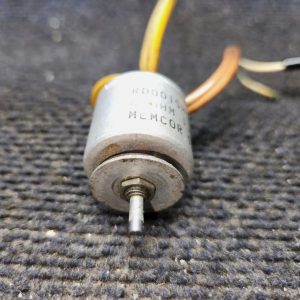
The Cessna 172F Rheostat (No Knob)
The Cessna 172F Rheostat, Cessna 172F Lighting Rheostat, and Cessna 172F Panel Light Rheostat terms describe related cockpit lighting components, but exact identification should remain tied to P/N RD0015H1600JBC.
These related terms help maintenance professionals and restorers locate a suitable lighting-control component for a classic Cessna cockpit.
The Aviation Lighting Control Rheostat can support Aircraft Instrument Lighting Control, but similar-looking components may use different electrical characteristics.
A Cessna 172F Dimmer Switch may be described as part of the Cessna Panel Lighting Control system, although the exact internal operation should be confirmed.
Important Identification Details for the Lighting Rheostat
A component should not be accepted as RD0015H1600JBC solely because it resembles the original panel-light control.
Strong traceability improves the commercial and restoration value of the Cessna Aircraft Rheostat.
Selecting a Replacement Control Knob
The shaft diameter, length, shape, flat, spline, retaining method, and panel clearance should be measured before selecting a knob.
Improvised drilling, adhesive bonding, force-fitting, or overtightening can damage the shaft and reduce future repair options.
Purpose of the Panel Light Rheostat
Rotating the control changes the electrical resistance or control setting, allowing the pilot here to select an appropriate lighting level.
Smooth dimming can help reduce glare and support instrument readability during night or low-light operations when the complete system operates correctly.
Choosing the Correct Panel Light Rheostat
Aircraft-specific verification helps prevent overheating, poor dimming performance, mounting problems, and electrical damage.
Previous aircraft modifications should be reviewed before reconnecting the replacement component.
Aircraft Lighting Control Inspection
A detailed inspection provides stronger evidence than a general good-condition description.
Mounting threads, nuts, washers, anti-rotation features, and panel-contact surfaces should be examined for wear or damage.
Aircraft Rheostat Wiring Inspection
Clear wiring records reduce reconnection errors.
Damaged terminals should not be bent repeatedly in an attempt to restore alignment.
Testing the Cessna 172F Lighting Rheostat
The resistance should change in a predictable manner through the control range without abrupt open circuits, severe jumps, or inconsistent contact.
Applying unconfirmed voltage or excessive load can overheat or permanently damage the rheostat.
Diagnosing Flickering Instrument Lights
Common symptoms can include flickering, dead spots, limited adjustment, sudden brightness changes, complete lighting loss, excessive heat, or inconsistent operation.
Intermittent faults can appear only during vibration, temperature change, or movement of the control.
Vintage Cessna Electrical Component Replacement
Careful restoration can preserve cockpit character while improving maintenance organization.
Panel labels should accurately describe the control’s actual function after installation.
Cessna Cockpit Lighting Parts Requirements
Organized inventory management supports a more efficient Cessna 172F electrical project.
Electrical parts should be labeled and segregated according to identity, test status, and condition.
Restoring an Aircraft Lighting Control
Repair should not be selected solely because an original component is difficult to replace.
Professional refurbishment can preserve restoration value while maintaining clear component status.
Buying a Cessna 172F Rheostat
The commercial value of P/N RD0015H1600JBC depends on verified identity, electrical specifications, physical condition, test status, shaft integrity, terminal condition, traceability, and included hardware.
The seller should disclose the missing knob, damaged threads, bent shaft, corrosion, burned terminals, heat discoloration, intermittent operation, repairs, and storage conditions.
Inspecting the Rheostat Before Purchase
The seller should provide photographs showing the housing, shaft, mounting threads, terminals, markings, attached wiring, damage, and repaired areas.
- Resolve identity, electrical compatibility, fitment, and package-completeness questions before payment.
- Review any test results for resistance consistency, continuity, dead spots, intermittent operation, and terminal mapping.
- Confirm the invoice, payment protection, packaging method, shipping insurance, inspection period, return conditions, and stated test status.
Rheostat Packaging Requirements
The shaft should not carry the weight of the component during shipment or storage.
During storage, the rheostat should remain clean, dry, labeled, and protected from moisture, chemicals, static-sensitive equipment, heavy objects, and uncontrolled handling.
Installing the Cessna 172F Rheostat
Professional preparation reduces wiring errors and component damage.
Correct installation supports dependable Cessna Panel Lighting Control.
Disciplined commissioning protects the Cessna 172F Rheostat (No Knob)
Preventive Cessna Electrical Maintenance
Long-term maintenance includes checking control movement, knob security, mounting tightness, terminals, wiring, heat discoloration, corrosion, lighting response, and panel condition.
The panel area should remain free from spilled liquids, conductive debris, harsh cleaners, loose hardware, and unsupported wiring.
Buying a Cessna Cockpit Dimmer
P/N RD0015H1600JBC offers stronger commercial value when its electrical ratings, shaft dimensions, terminal layout, test status, condition, and documentation are described accurately.
The strongest purchasing decision begins with confirming the complete part number, manufacturer, aircraft applicability, circuit function, resistance range, voltage, power rating, terminal arrangement, shaft dimensions, knob requirements, test status, and documentation.
Whether the product is described as an Aircraft Panel Light Dimmer, Aviation Lighting Control Rheostat, Cessna 172F Dimmer Switch, or Aircraft Instrument Lighting Control, electrical condition remains essential.
With transparent test status, protected shipping, correct fitment, a suitable knob, and qualified maintenance review, the component can support a professional Cessna 172F project.
Report this page